


Burnout Isn't What I Thought It Was
Part One of my series: When Survival Isn't Living
If you'd asked me years ago what burnout was, I would probably have said it was the result of working too hard.
As a mental health Occupational Therapist, I'd spent over twenty years supporting people through trauma, psychosis, anxiety and emotional crisis. I understood stress. I understood burnout. Or at least, I thought I did.
I believed that if people could reduce their workload, get more sleep, take some annual leave and learn to look after themselves better, they would begin to recover.
Then life taught me something very different.
When life became about surviving
A few years ago, my life changed beyond anything I could have imagined.
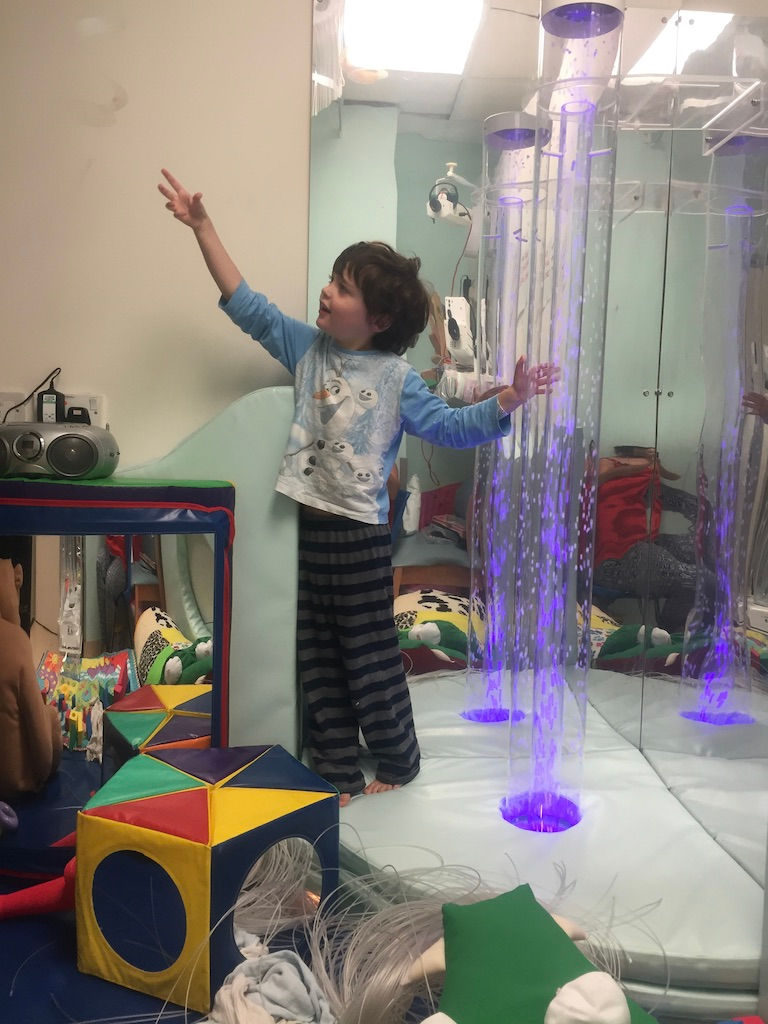
I became a full-time parent carer for my autistic son, whose needs became increasingly complex. Every day brought new challenges—appointments, medication changes, meetings with professionals, advocating for the support he desperately needed, managing crises at home and trying to keep family life going in the middle of it all.
At the same time, my family experienced three suicides.
Each one brought its own devastating grief, disbelief and heartbreak. But there was very little space to stop and process any of it. Instead, I did what so many people do when those around them are struggling.
I kept going.
I became the organiser.
The problem-solver.
The one who made the phone calls.
The one who tried to keep everyone together.
The one who believed that if I just held on a little longer, things would eventually settle down.
Looking back now, I can see that I wasn't simply coping with one difficult period.
My nervous system was living through years of cumulative stress, grief, responsibility and uncertainty.
There wasn't one traumatic event
When people hear the word "trauma", they often think about one catastrophic event.
But trauma doesn't always arrive like that.
Sometimes it builds slowly.
Sometimes it's years of never knowing what tomorrow will bring.
Sometimes it's living in a constant state of alert because someone you love depends on you.
Sometimes it's loss after loss before you've had the chance to recover from the last one.
There wasn't one moment that broke me.
There were hundreds.
Some lasted minutes.
Some lasted years.
My body knew before my mind did
For a long time, I thought I was simply tired.
I blamed myself for feeling exhausted.
I wondered why I couldn't switch off.
Why even on the rare occasions I had time to rest, I couldn't actually relax.
My shoulders were permanently tense.
I startled easily.
I found it difficult to concentrate.
Sleep never felt truly restorative.
Even when life became quieter, my body didn't believe it.
It was still waiting for the next crisis.
That was the moment I realised something I now talk about with many of my clients.
Burnout isn't always about working too hard.
Sometimes it's what happens when your nervous system has been carrying far too much for far too long.
The people I meet every week
These days, I hear similar stories every week in my therapy room.
People tell me they're burnt out.
They think they've become lazy.
Weak.
Less capable than they used to be.
They tell me they can't understand why they can't just "pull themselves together."
But when we begin to explore their story, something different usually emerges.
Years of putting themselves last.
Years of caring for everyone else.
Childhood experiences that taught them to stay small, stay quiet or always be the responsible one.
Workplaces where they never felt safe enough to stop.
Loss.
Grief.
Relationship difficulties.
Chronic stress.
It's rarely just one thing.
It's the accumulation of many things that were never fully processed.
Burnout is not a weakness
One of the biggest myths about burnout is that it means you're not resilient enough.
I don't believe that.
In fact, I often think the opposite is true.
Many of the people I meet have been resilient for far too long.
They've become experts at pushing through.
Ignoring their own needs.
Keeping everyone else afloat.
Doing what has to be done.
Until eventually their nervous system says,
"I can't carry this on my own anymore."
That isn't failure.
It's a completely understandable human response.
What changed for me
Learning about trauma from textbooks is one thing.
Living through prolonged stress changed my understanding completely.
It helped me appreciate that burnout isn't something we simply think our way out of.
It's something our nervous system experiences.
That realisation transformed not only how I understood myself, but also how I work as a therapist.
Today, when someone tells me they're burnt out, I don't immediately ask, "What are you doing too much of?"
I'm more interested in asking,
"What has your nervous system been carrying?"
Because that question often opens the door to a very different conversation.
One that's filled with compassion instead of judgement.
A different way of looking at burnout
If you're reading this because you're exhausted, overwhelmed or wondering why you don't feel like yourself anymore, I want you to know something.
Burnout doesn't necessarily mean you're broken.
It doesn't mean you've failed.
It may simply mean your nervous system has been protecting you for a very long time.
And if that's true, perhaps the answer isn't to push yourself harder.
Perhaps the answer is to understand your story with the same kindness you would offer someone you love.
Healing doesn't begin with judgement.
It begins with compassion.
And sometimes, that's the first step towards finding your way back to yourself.
Next week: When Burnout Is Really Trauma
We'll explore why rest alone often isn't enough, how chronic stress changes the brain and nervous system, and why understanding trauma can completely change the way we think about burnout.
— Nikki x


Comments