


Why I Came Back to Occupational Therapy After a 9-Year Break

People often ask why I returned to Occupational Therapy after stepping away for nearly a decade.
But the real question is—why did I leave?
I worked in NHS mental health services for 20 years. When I started, it felt like a system built around care, containment, and compassion. Over time, that system changed. Budget cuts, service redesigns, fewer resources. The work became heavier, riskier, and at times, it didn’t feel safe.
Managing high-risk situations with limited support. Fewer doctors. Fewer beds. And somehow, everything escalating on a Friday afternoon.
If you know, you know.
I loved my job—but I was exhausted. Burnt out. Stretched beyond what felt sustainable.
Then life shifted in a way I couldn’t ignore.
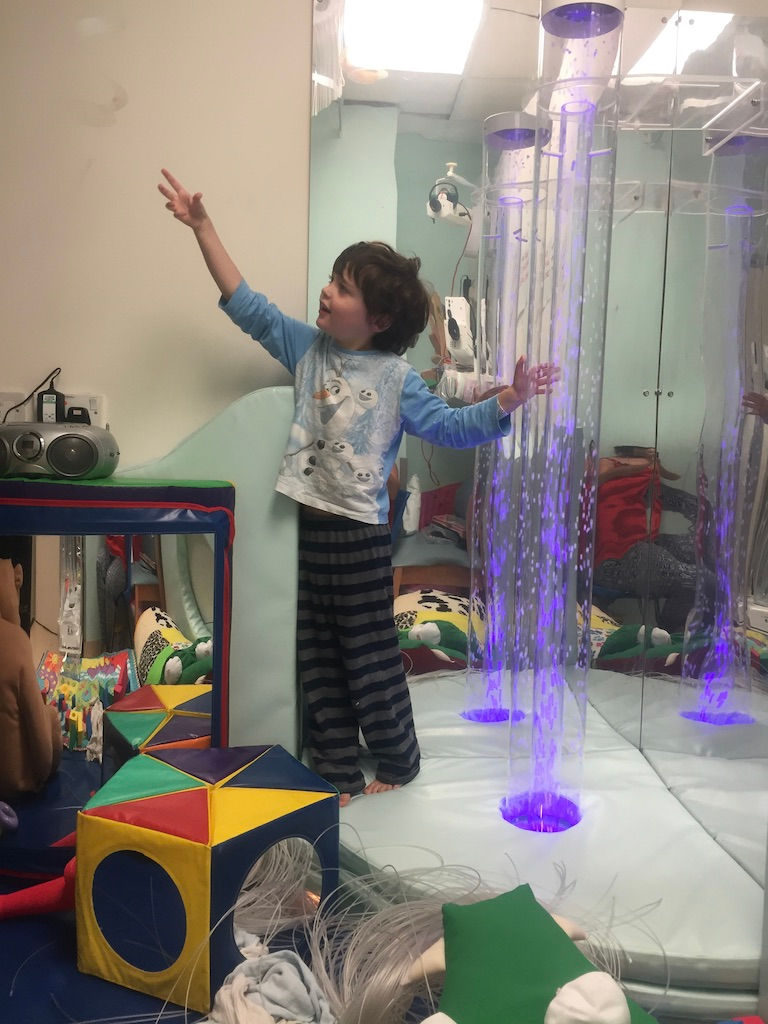
Within six months, my son was registered disabled, and a close family member died by suicide.
The emotional load I was carrying at work and at home became too much to hold at the same time.
So I made the decision to leave.
Losing myself… and finding something else
What followed wasn’t a neat “career break.”
It was nine years of navigating trauma, therapy, and slow, often painful personal growth.
At first, I felt completely lost. Burnt out to the point where I didn’t recognise myself anymore.
So I did the only thing that felt possible—I followed my intuition.
It told me to do something with my hands.
Something tangible. Something grounding.
I’d always wanted to learn how to spin wool, so when my husband bought me a spinning wheel for Christmas, I started there. That small step turned into something much bigger—an immersion into fibre arts, natural materials, and eventually… an alpaca farm and a huge bag of freshly shorn fleece.
It might sound simple, but it was deeply healing.
There’s something powerful about working with your hands. The rhythm of the spinning wheel. The quiet focus of getting the tension just right. The transformation of raw fleece into something soft, beautiful, and useful.
It grounded me in a way words couldn’t.
Creativity, identity, and healing
Before I trained as an OT, I wanted to be an artist.
So one day, I decided to paint an alpaca—just to see if I could.
I had no expectations.
But that one painting—Jose the alpaca—changed everything.
I shared him on social media, and to my surprise, people loved him. They wanted prints. That small moment of courage became the beginning of my art business, Nikki Moksha Designs.
What followed was seven years of creativity, learning, connection, and growth. I met incredible artists, attended festivals, built something from nothing—and even had a feature in Hello Magazine.
Jose now hangs on the wall of a well-known author and pop star.
But more importantly, that creative journey helped me reconnect with myself.
Why I came back
Over time, something started to shift.
Through my own healing, through therapy, through creativity, I began to reconnect with the part of me that loved Occupational Therapy in the first place.
Because at its heart, OT is exactly what helped me heal.
Meaningful activity. Connection. Identity. Purpose.
I didn’t leave OT because I stopped believing in it.
I left because the system made it impossible for me to practise in the way I knew people needed.
Coming back now feels different.
I bring not just my 20 years of clinical experience, but lived experience of trauma, burnout, caregiving, and rebuilding a life from the ground up.
I understand, in a much deeper way, what it means to lose yourself—and what it takes to find your way back.
A different way forward
I’m not coming back to do things the same way.
I’m coming back with a clearer voice, stronger boundaries, and a deeper belief in the power of what we do.
Occupational Therapy isn’t just about function.
It’s about helping people reconnect with what makes life feel meaningful, safe, and worth living.
And sometimes, that starts with something as simple as picking up a paintbrush… or spinning a piece of wool.
If you’ve ever stepped away from your career, felt burnt out, or questioned whether you could come back—you’re not alone.
Sometimes, the path back isn’t about returning to who you were.
It’s about becoming someone new, and bringing that version of you with you.


Comments